Section Views and Cutaways: Seeing Inside the Build
A focused walkthrough for builders working through Understanding Symbols and Abbreviations in Plans.
This article belongs to the Understanding Symbols and Abbreviations in Plans hub. For the full vault, visit the Download Free Woodworking Plans PDF homepage.
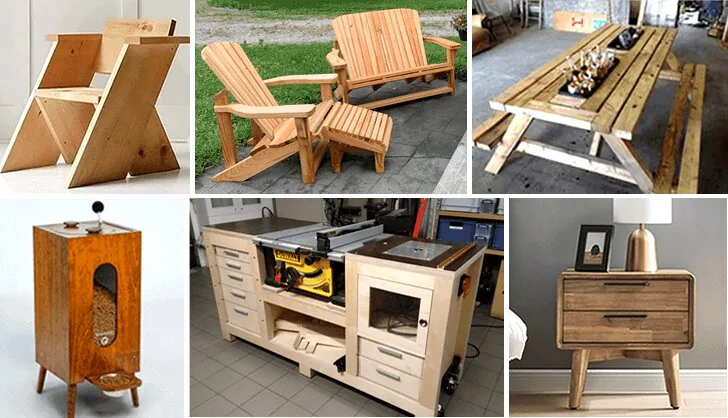
Why section view woodworking matters before your first cut
This guide focuses on section view woodworking so beginners avoid the single mistake that wastes more wood than any other. The lessons below come from real builders who learned the hard way. Apply them inside any understanding symbols and abbreviations in plans workflow and the result will feel professional even on day one. The same principles apply whether the plan came from a free woodworking plans pdf collection or a premium bundle, so treat this article as a reusable reference.
Tools and materials checklist
Keep the workspace simple. A pencil, a tape measure, a square, a clamp, and the source plan handle ninety percent of the prep. Add a basic safety kit of glasses, hearing protection, and a dust mask before any power tool runs. Every step inside this guide assumes only the basic kit so nothing pushes the budget.
Step by step walkthrough
Step one: open the source plan and verify the title matches Section Views and Cutaways: Seeing Inside the Build. Step two: read the materials list out loud and check every item against your stash. Step three: print or display the diagram at full size. Step four: complete the action that gives this article its name and only then move to the next phase of the build. Each support article in the cluster covers one phase, so a beginner moves through the whole pillar without skipping fundamentals.
Common mistakes to avoid
Three mistakes show up again and again. Skipping the verification page on the printed PDF. Trusting memory instead of the printed cut list. Ignoring grain direction during glue up. Each mistake doubles the project time. Avoid all three and the build moves in a straight line from raw lumber to finished piece.
Worldwide adaptation tips
Readers in the United States rely on imperial dimensions by default. Readers in the United Kingdom, European Union, and Australia can use the metric notes provided. Readers in Turkey, Morocco, and the Gulf benefit from heat and humidity resistant finish recommendations included in matching support articles.
Where to go next
Stay inside the cluster by reading the related articles below, then return to the parent guide for the full road map. Builders who want the curated shortcut open the Beginner Woodworking Projects bundle linked in the call to action below. The bundle compresses every step of section view woodworking into a single printable PDF set.